
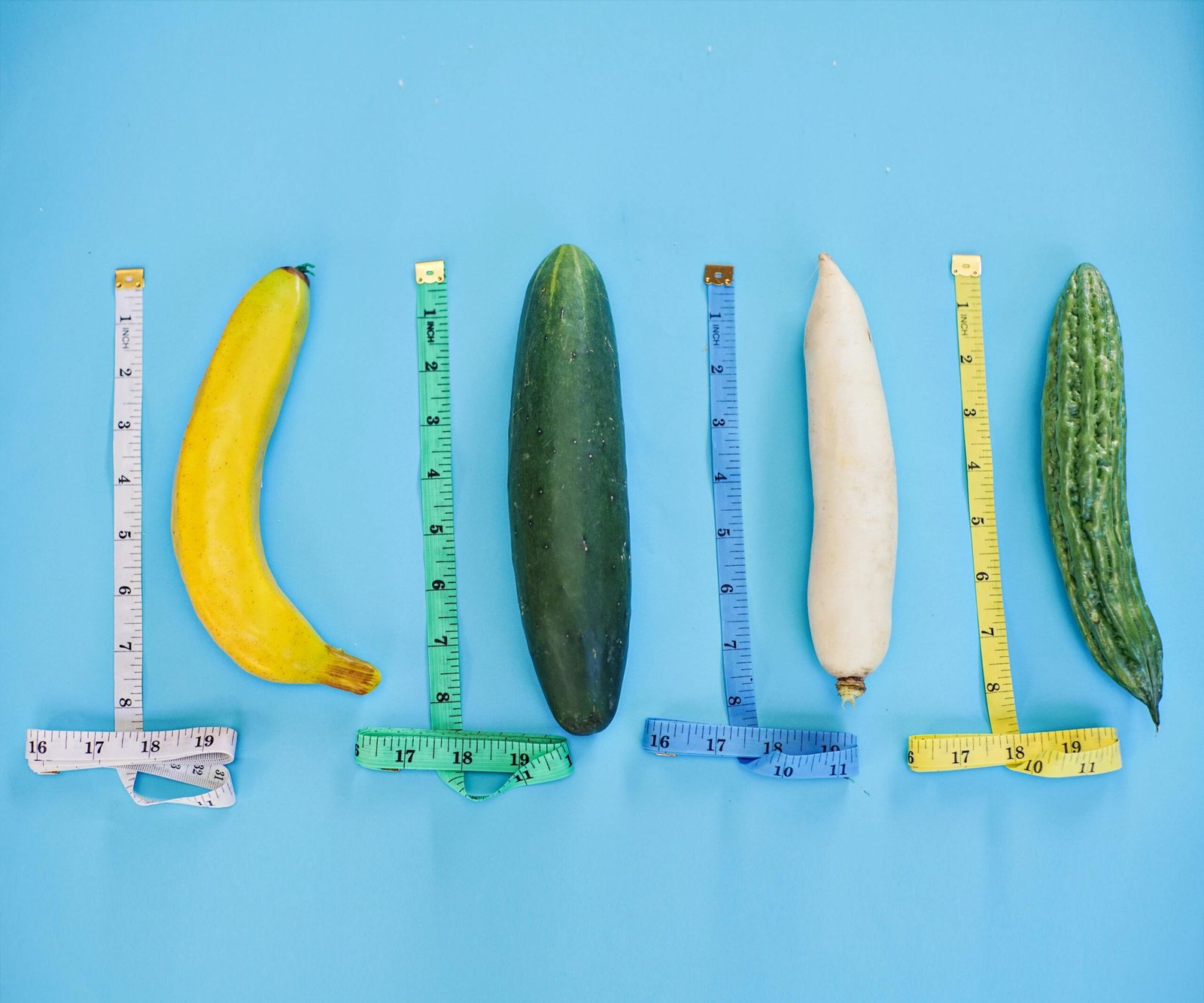
Understanding the average penis size is one of the most searched and widely discussed topics in men’s health and human biology. Curiosity about body image, performance, and normal development drives millions of searches each year. Reliable information, however, often gets buried under myths, exaggerations, and misleading statistics. We present a comprehensive, research-driven guide that explains real averages, the science behind size variation, measurement techniques, and the psychological factors influencing perception and confidence.
What Is the Scientifically Proven Average Penis Size?
Scientific research compiled from large global datasets provides a clear and consistent answer. Studies involving thousands of participants measured penile length and girth under controlled clinical conditions. Results consistently show:
- Average flaccid length: 3.5–4 inches (8.8–10.2 cm)
- Average erect length: 5–6 inches (12.7–15.2 cm)
- Average erect girth: 4.5–5 inches (11.4–12.7 cm)
These figures represent a statistical midpoint, meaning most men fall within a normal range slightly above or below these numbers. Variation is natural and expected, just like height or shoe size.
Why Accurate Measurement Matters
A major reason for confusion around the average size penis is inconsistent measurement methods. Clinical research uses standardized techniques:
- Measure from the pubic bone to the tip along the top side.
- Apply gentle pressure to compress fat tissue at the base.
- Measure girth at the mid-shaft circumference.
Measurements taken incorrectly often appear smaller or larger, creating false perceptions. Accurate measurement ensures realistic comparisons and removes unnecessary anxiety.
Average Penis Size by Age
Penile growth typically occurs during puberty and stabilizes in adulthood.
- Childhood: Minimal growth before puberty
- Puberty (12–18 years): Rapid development due to testosterone
- Adulthood (18+): Size stabilizes with minor natural variations
After adulthood, size remains relatively constant throughout life. Aging may affect erection firmness but does not significantly reduce length.
Global Differences in Average Penis Size
Studies analyzing global populations show modest regional differences. Genetics, nutrition, and environmental factors contribute to variation. However, differences between countries are smaller than many myths suggest.
Key takeaway: Most men worldwide fall within the same general range, proving that perceived dramatic differences are largely exaggerated.
Genetics and Penis Size
Genetics plays a primary role in determining size, similar to height or facial features. Influencing factors include:
- Hormonal exposure during puberty
- Family genetics
- Overall health and nutrition during development
Lifestyle factors after puberty have minimal impact on natural size.
Flaccid vs Erect Size Differences
Flaccid size varies significantly due to temperature, stress, and physical activity. Some men experience dramatic size changes during erection, while others show smaller differences.
Two common physiological patterns exist:
- Growers: Smaller flaccid size but large increase during erection
- Showers: Larger flaccid size with less change during erection
Both are completely normal variations.
Does Penis Size Matter in Relationships?
Research consistently shows that emotional connection, communication, and intimacy play a far greater role in satisfaction than size alone. Psychological confidence and comfort are far more influential than physical measurements.
Studies indicate that most partners prioritize:
- Emotional intimacy
- Communication
- Mutual respect
- Physical affection
- Overall health and hygiene
This highlights the importance of holistic sexual wellness rather than fixation on a single metric.
Psychological Impact of Size Perception
Many men underestimate their size due to visual perspective. Looking down from above creates a foreshortened angle that makes the penis appear smaller than it actually is. This phenomenon contributes to unnecessary insecurity.
Body image confidence improves when individuals understand real averages and avoid unrealistic comparisons.
Common Myths About Average Penis Size
Myth 1: Larger Always Means Better
Reality: Satisfaction depends on emotional and physical compatibility rather than size alone.
Myth 2: Supplements Permanently Increase Size
Reality: No scientifically proven pill permanently increases penile length.
Myth 3: Adult Growth Exercises Work
Reality: Most advertised enlargement methods lack scientific evidence.
Myth 4: Everyone Is Above Average
Reality: The definition of “average” means most people cluster near the midpoint.
Factors That Influence Perceived Size
While actual size is fixed, perception can vary based on:
- Body fat percentage
- Grooming habits
- Fitness and posture
- Overall health and circulation
A healthy lifestyle improves blood flow and erection quality, enhancing confidence and performance.
Healthy Lifestyle and Sexual Wellness
Improving sexual health involves maintaining:
- Balanced nutrition
- Regular exercise
- Healthy sleep patterns
- Stress management
- Avoidance of smoking and excessive alcohol
These factors improve circulation, stamina, and overall well-being.
The Importance of Education and Realistic Expectations
Accurate information reduces anxiety and promotes healthier self-image. Education replaces myths with evidence and encourages confidence rooted in reality.
Understanding the average penis size helps normalize natural variation and eliminates unrealistic comparisons shaped by media or misinformation.
Conclusion
The scientific evidence clearly shows that the average penis size falls within a narrow and predictable range worldwide. Variation is normal, and most men fall comfortably within the standard spectrum. Confidence, communication, and overall health remain the most important factors influencing satisfaction and well-being. Knowledge replaces uncertainty and allows individuals to focus on holistic sexual health rather than myths and misconceptions.
Frequently Asked Questions
What is considered a normal penis size?
A normal size typically falls within 5–6 inches erect, with natural variation above and below this range.
Does size change with age?
Size stabilizes after puberty and remains consistent throughout adulthood.
Can exercise increase penis size?
Exercise improves circulation and health but does not permanently increase length.
Is flaccid size important?
Flaccid size varies greatly and does not predict erect size.
Do partners care about size as much as men think?
Research shows emotional connection and communication matter far more than size.