
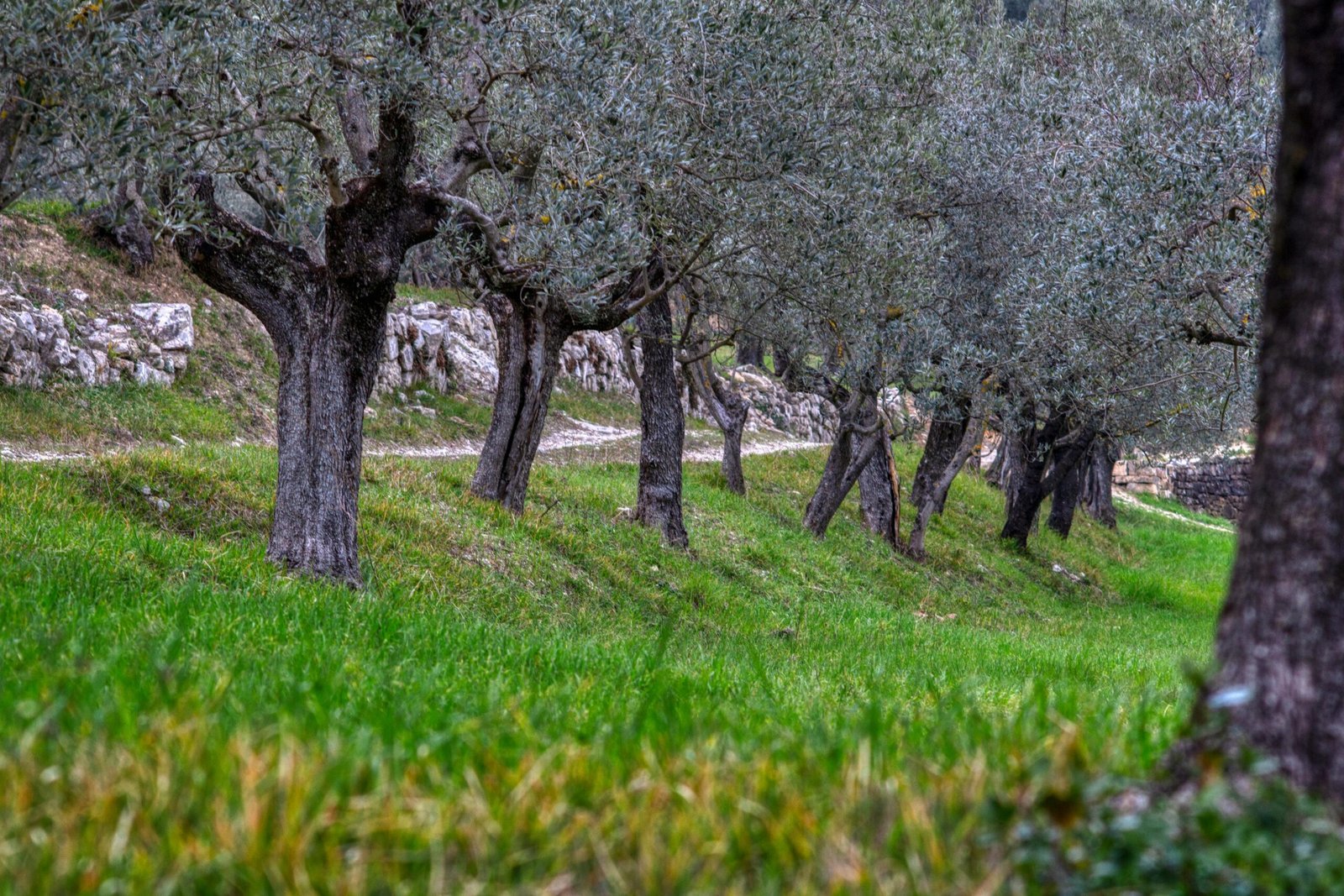
Olea europaea, commonly known as the olive tree, is one of the oldest cultivated plants in human history and remains one of the most significant botanical species worldwide. Native to the Mediterranean region, this evergreen tree has played a central role in agriculture, medicine, cuisine, religion, and culture for thousands of years. Its fruits and oil are valued not only for their nutritional properties but also for their economic and symbolic importance.
In this detailed article, we explore olea europaea from a botanical, historical, agricultural, and practical perspective. We examine its origin, physical characteristics, cultivation methods, uses, and global relevance. Our aim is to provide a thorough and authoritative resource that meets informational search intent and delivers long-lasting value.
What Is Olea Europaea
Olea europaea is an evergreen tree species belonging to the Oleaceae family. It is best known for producing olives, the fruit from which olive oil is extracted. The tree typically grows slowly but can live for several centuries, with some documented specimens estimated to be over a thousand years old.
The tree is characterized by a gnarled trunk, silvery-green leaves, and small white flowers that develop into olives. Its ability to thrive in dry, rocky soils and withstand harsh climatic conditions makes olea europaea uniquely suited to Mediterranean environments and similar regions worldwide.
Origin and Historical Significance of Olea Europaea
The cultivation of olea europaea dates back more than 6,000 years. Archaeological evidence suggests that olive trees were first domesticated in the eastern Mediterranean, particularly in regions that are now part of modern-day Syria, Palestine, and Greece. From there, olive cultivation spread throughout the Mediterranean basin.
Throughout history, the olive tree has symbolized peace, prosperity, and endurance. In ancient Greece, olive oil was used for food, religious rituals, cosmetics, and athletic ceremonies. In Roman civilization, olive oil became a cornerstone of trade and daily life. The cultural legacy of olea europaea continues to influence modern societies.
Botanical Characteristics of Olea Europaea
From a botanical perspective, olea europaea is a small to medium-sized tree that typically reaches heights of 5 to 10 meters. Its leaves are narrow, leathery, and adapted to minimize water loss, an essential feature for survival in arid climates.
The tree produces clusters of small, fragrant flowers, which are wind-pollinated. Once fertilized, these flowers develop into olives, which vary in size, shape, and color depending on the cultivar. This adaptability has allowed olea europaea to evolve into hundreds of varieties worldwide.
Cultivation and Growing Conditions
Climate and Soil Requirements
Olea europaea thrives in warm, temperate climates with long, dry summers and mild winters. While it can tolerate short periods of frost, extreme cold can damage the tree. Well-drained soil is essential, as olive trees are sensitive to waterlogging.
Planting and Maintenance
Cultivating olea europaea requires patience, as the tree may take several years to produce fruit. Once established, however, it requires relatively low maintenance. Pruning is essential to maintain shape, encourage airflow, and optimize fruit production.
The tree’s resilience and low water requirements make it an environmentally sustainable crop in suitable regions.
Uses of Olea Europaea
Olive Oil Production
The most significant use of olea europaea is the production of olive oil. Olive oil is widely recognized for its culinary versatility and nutritional value. It is rich in monounsaturated fats and natural antioxidants, making it a cornerstone of many traditional diets.
Culinary Uses
Olives themselves are consumed in various forms, including cured, fermented, and preserved varieties. They are an essential ingredient in Mediterranean cuisine and are valued for their flavor and texture.
Medicinal and Cosmetic Applications
Historically, olea europaea has been used in traditional medicine. Olive oil and olive leaf extracts have been incorporated into remedies and skincare products due to their beneficial properties. Today, olive-based ingredients are commonly found in soaps, lotions, and natural cosmetics.
Economic and Environmental Importance
The cultivation of olea europaea supports millions of livelihoods worldwide. Countries such as Spain, Italy, Greece, and Turkey rely heavily on olive production as part of their agricultural economies.
Environmentally, olive trees play a role in soil conservation and carbon sequestration. Their extensive root systems help prevent erosion, particularly in hilly and arid regions.
Conclusion
Olea europaea is far more than a simple tree. It is a symbol of history, resilience, and human ingenuity. From ancient civilizations to modern agriculture, the olive tree has maintained its relevance through its adaptability and value.
By understanding the origin, characteristics, cultivation, and uses of olea europaea, we gain insight into why this species continues to be one of the most important plants in the world. Its role in food, culture, and sustainability ensures that it will remain significant for generations to come.
Frequently Asked Questions (FAQ)
What is olea europaea?
Olea europaea is the scientific name for the olive tree, an evergreen plant cultivated primarily for olives and olive oil.
Where does olea europaea originate from?
The tree originates from the Mediterranean region and has been cultivated there for thousands of years.
How long can an olea europaea tree live?
Olive trees are extremely long-lived and can survive for several centuries under proper conditions.
What are the main uses of olea europaea?
Its primary uses include olive oil production, food consumption, medicinal applications, and cosmetic products.
Why is olea europaea economically important?
It supports global agriculture, trade, and employment, especially in Mediterranean countrie