
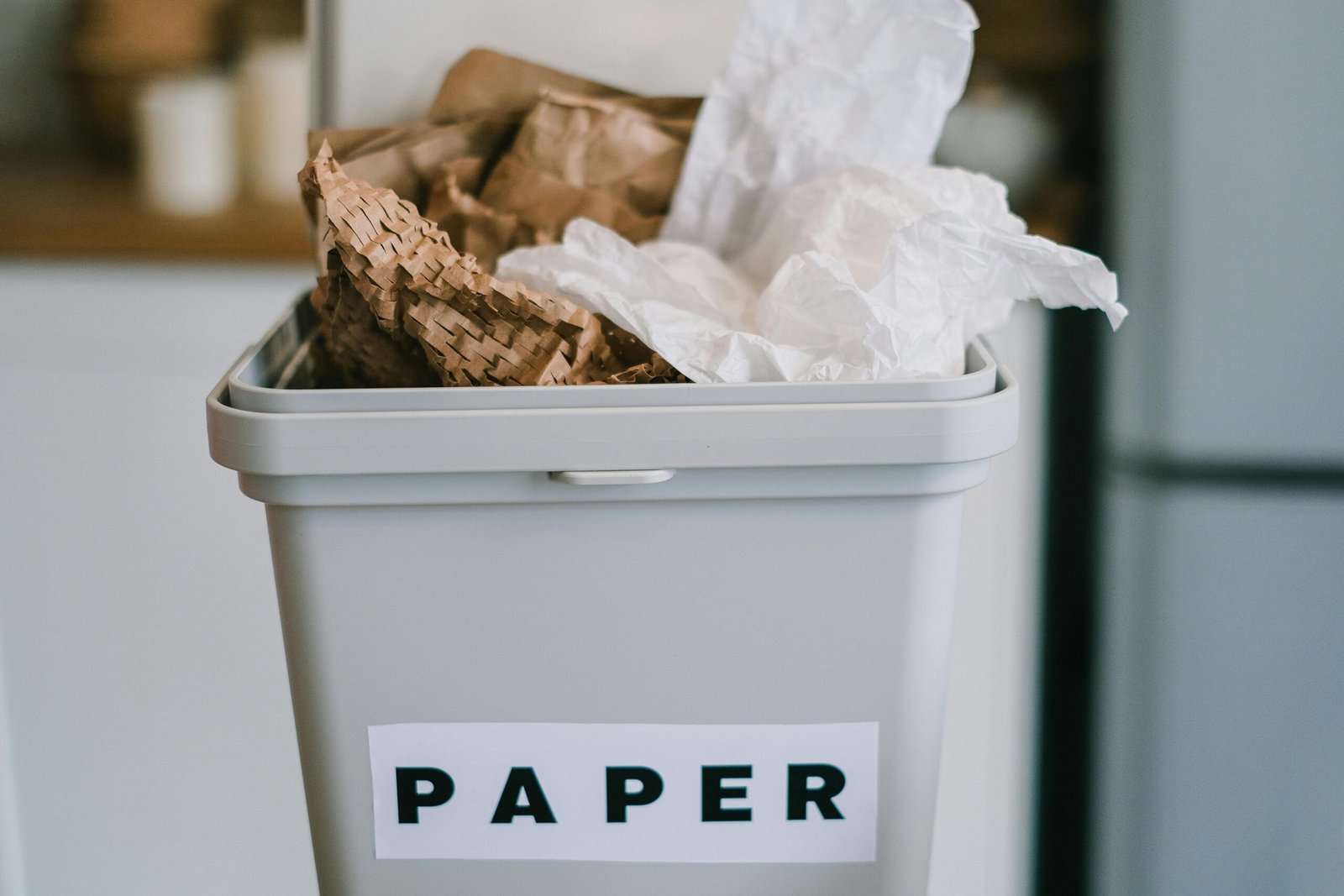
The term pappedeckel is increasingly appearing in online searches, especially among users interested in packaging, materials, sustainability, and industrial design. Although it may sound unfamiliar to English speakers, pappedeckel is a meaningful and practical term with strong relevance in manufacturing, shipping, crafts, and eco-friendly product development. As global markets grow more interconnected, words like pappedeckel gain attention beyond their original linguistic boundaries. In this comprehensive article, we explore the meaning of pappedeckel, its applications, why it is trending, and how it plays an important role in modern packaging and material solutions.
What Is Pappedeckel?
Pappedeckel is a German term commonly used to describe thick cardboard or solid paperboard. It refers to a rigid, durable material made from compressed paper fibers and is widely used in packaging, bookbinding, crafts, and industrial applications. Unlike thin paper or flexible cardboard, pappedeckel is known for its strength, stability, and versatility.
In English-speaking contexts, pappedeckel is often compared to chipboard, greyboard, or cardboard sheets, though it may vary slightly depending on thickness and manufacturing standards. Its popularity stems from its balance between durability and affordability.
The Material Composition of Pappedeckel
Pappedeckel is typically produced from recycled paper fibers, making it a highly sustainable material. The fibers are pressed together under high pressure to create dense sheets that can withstand bending, cutting, and layering. This process results in a product that is lightweight yet strong enough for structural use.
Because of its composition, pappedeckel is easy to recycle and biodegradable, which aligns well with modern environmental goals. Its surface can also be laminated, painted, or coated, increasing its functionality across industries.
Common Uses of Pappedeckel
The versatility of pappedeckel makes it suitable for a wide range of applications. One of its most common uses is in packaging, where it provides protection for products during shipping and storage. It is frequently used for box inserts, rigid packaging, and protective layers.
In bookbinding, pappedeckel serves as the backbone of hardcover books, notebooks, and folders. Its rigidity ensures durability while maintaining a clean and professional appearance. Additionally, artists and designers often use pappedeckel for model-making, crafts, and prototyping because it is easy to cut and shape.
Pappedeckel and Sustainable Packaging
Sustainability has become a major factor in material selection, and pappedeckel stands out as an eco-conscious choice. Since it is commonly made from recycled materials, its environmental footprint is significantly lower than plastic or synthetic alternatives.
Many companies are now replacing plastic packaging with pappedeckel-based solutions to reduce waste and improve brand perception. Consumers increasingly prefer products packaged in recyclable and biodegradable materials, which has contributed to the rising interest in pappedeckel.
Why Is Pappedeckel Trending Online?
The rise in searches for pappedeckel can be attributed to several factors. Increased awareness of sustainable materials has led businesses and individuals to research alternatives to plastic. Additionally, globalization has exposed non-German audiences to technical and industrial terms like pappedeckel through international suppliers and documentation.
DIY culture and creative hobbies have also played a role. Many people searching for pappedeckel are involved in crafting, model-building, or small-scale manufacturing, where this material is highly valued for its strength and flexibility.
Pappedeckel in Industrial and Commercial Use
In industrial environments, pappedeckel is valued for its cost-effectiveness and reliability. It is often used as a separator between stacked goods, a protective layer in pallets, or a structural element in lightweight construction projects.
Commercial brands use pappedeckel for premium packaging, gift boxes, and presentation materials. Its solid feel enhances perceived product quality, making it a popular choice for luxury and handmade goods.
SEO Value of the Keyword Pappedeckel
From an SEO perspective, pappedeckel is a niche keyword with relatively low competition and strong informational intent. Content that explains its meaning, uses, and benefits is well-positioned to rank highly because users are actively seeking clear and trustworthy information.
Including the keyword naturally in headings, paragraphs, and FAQs improves relevance without over-optimization. Long, detailed paragraphs help satisfy user intent and improve engagement metrics such as time on page.
Frequently Asked Questions (FAQ)
What does pappedeckel mean in English?
Pappedeckel generally refers to thick cardboard or solid paperboard.
Is pappedeckel environmentally friendly?
Yes, it is often made from recycled paper and is recyclable and biodegradable.
What industries use pappedeckel?
Packaging, bookbinding, crafts, manufacturing, and design industries commonly use pappedeckel.
Is pappedeckel the same as cardboard?
It is similar but usually thicker and more rigid than standard cardboard.
Conclusion
Pappedeckel is more than just a material name; it represents a practical, sustainable, and versatile solution for modern needs. From packaging and bookbinding to crafts and industrial applications, its strength and eco-friendly nature make it increasingly relevant in today’s market. As interest in sustainable materials continues to grow, pappedeckel is likely to gain even more recognition across global industries.