
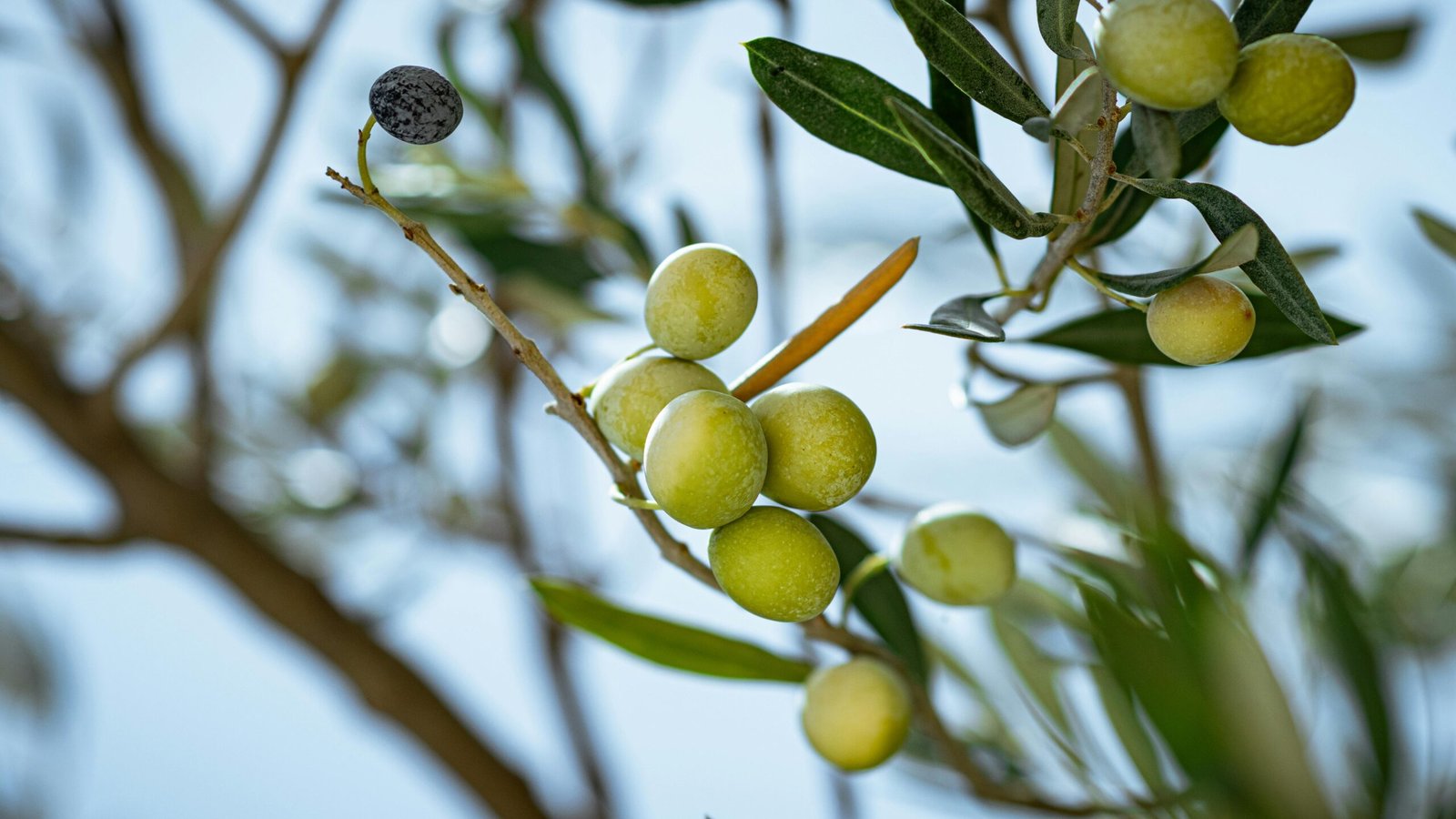
Olea europaea, commonly known as the olive tree, is one of the most historically significant and economically valuable trees in the world. Native to the Mediterranean Basin, this evergreen species has shaped civilizations, cuisines, religious traditions, and agricultural systems for thousands of years. Its resilience in arid climates, long lifespan, and ability to produce nutrient-rich fruit make it an extraordinary botanical species with enduring global relevance.
The olive tree is more than a source of olives and olive oil; it represents peace, prosperity, and longevity across cultures. Today, Olea europaea is cultivated in numerous regions with Mediterranean-like climates, including Southern Europe, North Africa, the Middle East, parts of the Americas, and Australia. Its agricultural importance continues to grow as global demand for olive oil and plant-based nutrition increases. This comprehensive guide explores the botanical characteristics, cultivation practices, health benefits, historical significance, and economic value of this remarkable species.
Botanical Characteristics of Olea europaea
Olea europaea belongs to the Oleaceae family. It is an evergreen tree characterized by narrow, lance-shaped leaves that are dark green on the upper surface and silvery beneath. This unique leaf structure helps reduce water loss, allowing the tree to thrive in dry and warm climates. Mature trees typically reach heights between 8 and 15 meters, though some ancient specimens remain smaller yet continue producing fruit for centuries.
The tree produces small, fragrant white flowers arranged in clusters. These flowers develop into drupes commonly known as olives. Initially green, olives turn purple or black upon ripening, depending on the cultivar. The fruit contains a single seed surrounded by oil-rich flesh, which is processed to produce olive oil.
One of the most remarkable traits of Olea europaea is its longevity. Many trees live for several hundred years, and some documented specimens are over a thousand years old. The tree’s gnarled trunk and twisted branches become increasingly distinctive with age, contributing to its symbolic and aesthetic value.
Climate and Soil Requirements for Growing Olea europaea
Successful cultivation of Olea europaea depends heavily on climate conditions. The tree thrives in regions with hot, dry summers and mild, wet winters. Optimal temperatures range between 15°C and 30°C, although mature trees can tolerate short periods of frost. Excessive cold, however, can damage young plants and reduce fruit production.
Well-drained soil is essential for healthy root development. Sandy loam or rocky soils with good drainage are ideal, as waterlogged conditions can lead to root rot. The tree demonstrates remarkable drought tolerance once established, making it suitable for semi-arid environments.
Sunlight exposure is critical for fruit production. Olive trees require full sun for optimal flowering and fruit set. Insufficient light can reduce yields and increase susceptibility to disease.
Olive Cultivation and Harvesting Techniques
The cultivation of Olea europaea involves careful pruning, irrigation management, and pest control. Pruning encourages air circulation and sunlight penetration within the canopy, improving fruit quality and reducing fungal disease risk. Farmers typically shape the tree to maintain manageable height and facilitate harvesting.
Irrigation practices vary depending on climate and rainfall levels. While olive trees are drought-resistant, controlled irrigation during critical growth stages can significantly enhance yield and oil content.
Harvesting methods range from traditional hand-picking to mechanical harvesting. The timing of harvest influences oil quality and flavor profile. Early harvest olives produce oil with robust flavor and higher antioxidant content, while later harvest yields milder oils with higher oil volume.
Olive Oil Production and Nutritional Value
The primary economic product derived from Olea europaea is olive oil. The production process involves crushing olives into paste, separating solids from liquids, and extracting oil through mechanical or centrifugal methods. Extra virgin olive oil, the highest quality grade, is obtained without chemical processing and retains maximum flavor and nutritional properties.
Olive oil is rich in monounsaturated fats, particularly oleic acid, which supports heart health. It also contains antioxidants such as vitamin E and polyphenols, known for anti-inflammatory properties. Regular consumption of olive oil is associated with reduced cardiovascular risk and improved metabolic health.
In addition to oil, olives themselves are consumed in various culinary forms, including cured, brined, or stuffed varieties.
Economic Importance of Olea europaea
The global olive industry contributes billions of dollars annually to the agricultural economy. Major producers include Mediterranean countries such as Spain, Italy, and Greece, where olive cultivation is deeply integrated into national identity and rural livelihoods.
Export markets for olive oil and table olives continue expanding due to rising awareness of Mediterranean dietary benefits. The increasing popularity of plant-based nutrition further enhances demand for olive-derived products.
Sustainable olive farming practices also contribute to soil conservation and rural employment, reinforcing the species’ economic and environmental importance.
Historical and Cultural Significance
Throughout history, Olea europaea has symbolized peace, wisdom, and victory. In ancient Greece, olive wreaths crowned victorious athletes during Olympic competitions. Olive oil played a central role in religious ceremonies, medicinal applications, and daily life across Mediterranean civilizations.
The olive branch remains an international symbol of peace, demonstrating the tree’s enduring cultural relevance. Ancient olive groves still stand in various regions, serving as living monuments to agricultural heritage.
Environmental Benefits and Sustainability
Olive trees contribute positively to environmental sustainability. Their deep root systems help prevent soil erosion, particularly in hilly Mediterranean landscapes. Additionally, olive groves can support biodiversity by providing habitat for birds and insects.
Modern sustainable practices, including organic farming and water-efficient irrigation, enhance environmental stewardship within olive cultivation systems.
Conclusion
Olea europaea stands as one of the most valuable and enduring tree species in human history. From its botanical resilience and nutritional contributions to its cultural symbolism and economic significance, the olive tree continues to shape societies worldwide. Its adaptability to challenging climates, combined with high nutritional value and diverse agricultural applications, ensures its relevance in both traditional and modern contexts. As global demand for sustainable and health-focused products increases, Olea europaea remains central to agricultural innovation and environmental sustainability.
Frequently Asked Questions (FAQ)
1. What is Olea europaea commonly known as?
Olea europaea is commonly known as the olive tree.
2. Where does Olea europaea grow best?
It thrives in Mediterranean climates with hot, dry summers and mild winters.
3. What products are derived from Olea europaea?
The primary products are olives and olive oil, particularly extra virgin olive oil.
4. How long can an olive tree live?
Olive trees can live for several hundred years, with some exceeding one thousand years.
5. What are the health benefits of olive oil?
Olive oil contains monounsaturated fats and antioxidants that support heart health and reduce inflammation.