
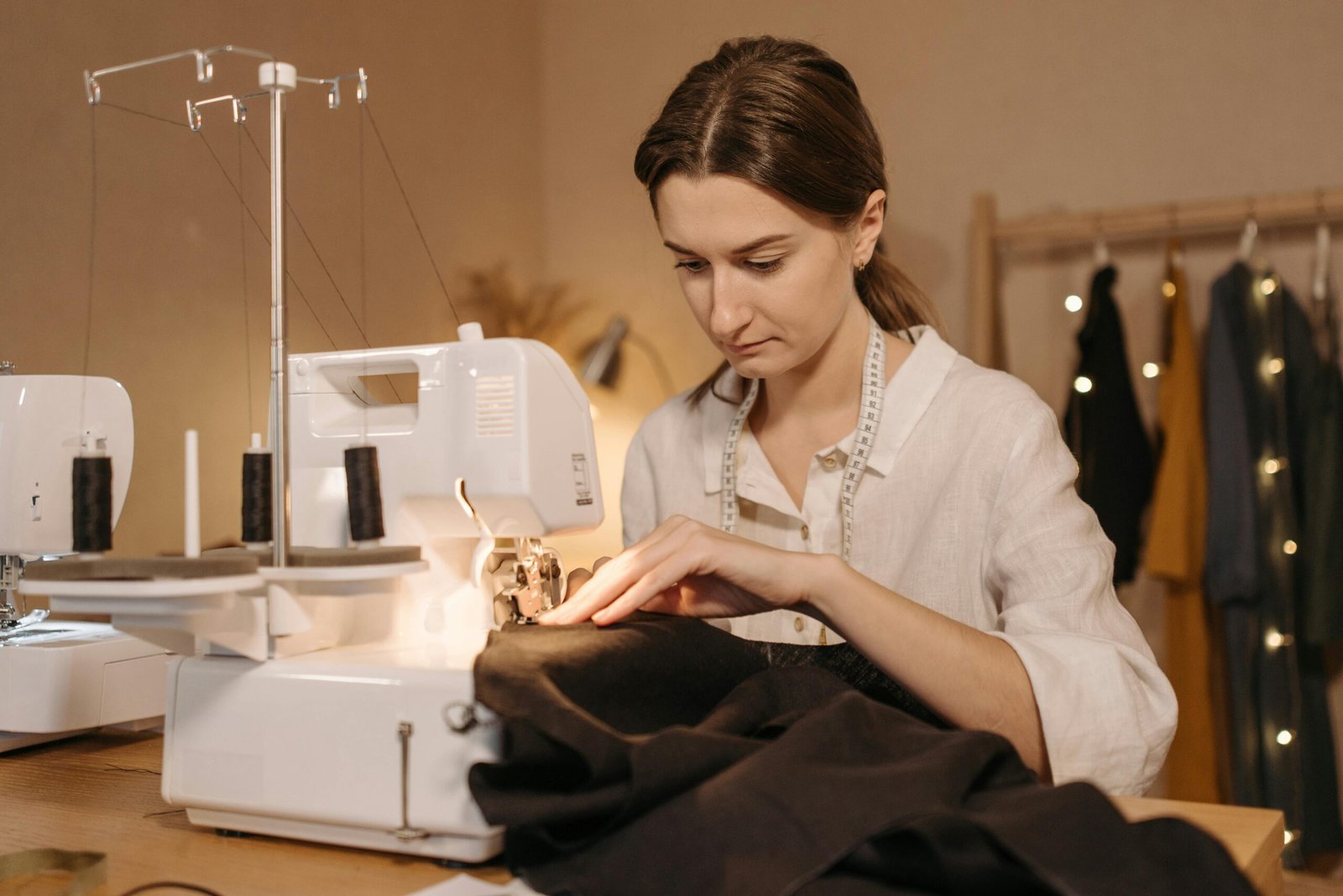
Nahttypen is a German term that translates to types of seams, and it represents one of the most fundamental concepts in sewing, tailoring, textile manufacturing, and garment construction. Understanding nahttypen is essential for anyone working with fabrics, from beginners learning basic stitching to professionals in fashion design, upholstery, and industrial textile production. Each seam type serves a specific purpose related to strength, flexibility, durability, appearance, and fabric behavior. In this comprehensive guide, we explore nahttypen in detail, explain their practical uses, and clarify how selecting the correct seam type directly affects the quality, longevity, and performance of textile products.
What Are Nahttypen and Why They Matter
Nahttypen refer to the various ways fabric pieces are joined together using stitching techniques. The choice of seam type influences not only the appearance of a garment but also its comfort, elasticity, resistance to stress, and overall durability. Different fabrics behave differently under tension, washing, and wear, making seam selection a critical step in both handmade and industrial textile production.
In professional sewing, nahttypen are selected based on fabric weight, stretch properties, end-use, and aesthetic requirements. Incorrect seam choice can result in tearing, discomfort, poor fit, or reduced product lifespan.
Basic Nahttypen Used in Sewing
Plain Seam (Simple Seam)
The plain seam is the most basic and widely used of all nahttypen. It involves placing two fabric pieces right sides together and stitching along the seam line. This seam is versatile and suitable for woven fabrics, light to medium-weight materials, and general garment construction. While simple, it often requires finishing techniques such as zigzag stitching or overlocking to prevent fraying.
French Seam
French seams are enclosed seams that hide raw fabric edges, making them ideal for lightweight and sheer fabrics such as chiffon or silk. This nahttyp offers a clean, professional appearance and enhanced durability, especially in garments where the inside is visible.
Flat-Felled Seam
Flat-felled seams are known for their exceptional strength and durability. Commonly used in jeans, workwear, and sports apparel, this seam encloses raw edges and lies flat against the fabric, reducing friction and increasing comfort.
Decorative and Functional Nahttypen
Topstitched Seam
Topstitched seams combine functionality and aesthetics. They reinforce seams while adding decorative detail, often used in jackets, bags, and denim garments. This nahttyp enhances structural integrity while contributing to design appeal.
Piped Seam
Piped seams include a cord or piping inserted into the seam, adding texture and visual interest. This type of seam is frequently used in upholstery, cushions, and fashion accents, blending structural support with decorative purpose.
Elastic and Stretch Nahttypen
Zigzag Seam
Zigzag seams are essential for stretch fabrics and knit materials. This nahttyp allows the seam to stretch without breaking, making it suitable for activewear, underwear, and elastic garments.
Overlock Seam
Overlock seams are commonly used in industrial and home sewing machines equipped with sergers. This seam type trims and finishes fabric edges simultaneously, providing clean edges, elasticity, and professional-grade durability.
Industrial Nahttypen in Textile Manufacturing
In industrial settings, nahttypen are standardized to ensure consistency, efficiency, and quality control. Common industrial seams include safety seams, chain-stitched seams, and reinforced load-bearing seams. These are designed to withstand high stress, repeated washing, and mechanical strain, particularly in uniforms, protective clothing, and technical textiles.
Industrial nahttypen prioritize function over aesthetics, yet modern production increasingly integrates visual refinement without compromising performance.
Choosing the Right Nahttypen for Different Fabrics
Selecting appropriate nahttypen requires understanding fabric characteristics. Lightweight fabrics benefit from enclosed seams to prevent fraying, while heavy fabrics require reinforced seams to handle weight and stress. Stretch materials demand seams that maintain elasticity, and decorative fabrics often call for seams that enhance visual appeal.
Environmental factors such as washing frequency, exposure to moisture, and intended wear conditions also influence seam selection.
Nahttypen in Fashion Design and Craftsmanship
In fashion design, nahttypen are both technical and creative tools. Designers use seam placement and type to shape garments, define silhouettes, and express style. Seam choice affects drape, structure, and how a garment moves with the body.
In craftsmanship and bespoke tailoring, mastery of nahttypen reflects attention to detail and commitment to quality. Well-chosen seams elevate garments from functional to exceptional.
Common Mistakes When Working with Nahttypen
A frequent mistake is selecting seam types without considering fabric behavior and garment purpose. Using rigid seams on stretch fabrics or neglecting edge finishing on fraying materials can compromise durability. Proper testing, sample stitching, and fabric analysis help avoid these issues and ensure professional results.
Conclusion
Nahttypen form the backbone of sewing and textile construction, influencing strength, comfort, appearance, and longevity. From basic plain seams to advanced industrial and decorative seams, each nahttyp serves a distinct role in fabric joining. By understanding the characteristics and applications of different nahttypen, we can create garments and textile products that meet both functional and aesthetic standards. Mastery of seam types is not merely a technical skill but a foundation of quality craftsmanship in the textile world.
Frequently Asked Questions (FAQ)
What does nahttypen mean?
Nahttypen is the German term for types of seams used in sewing and textile construction.
Why are different nahttypen important?
Different seam types provide specific benefits such as strength, flexibility, durability, or decorative appeal.
Which nahttypen are best for stretch fabrics?
Zigzag seams, overlock seams, and elastic stitches are ideal for stretch and knit materials.
Are industrial nahttypen different from home sewing seams?
Yes, industrial seams are designed for high durability, efficiency, and mass production, often using specialized machines.
Can the wrong nahttypen damage a garment?
Yes, incorrect seam selection can cause fabric tearing, discomfort, and reduced lifespan.