
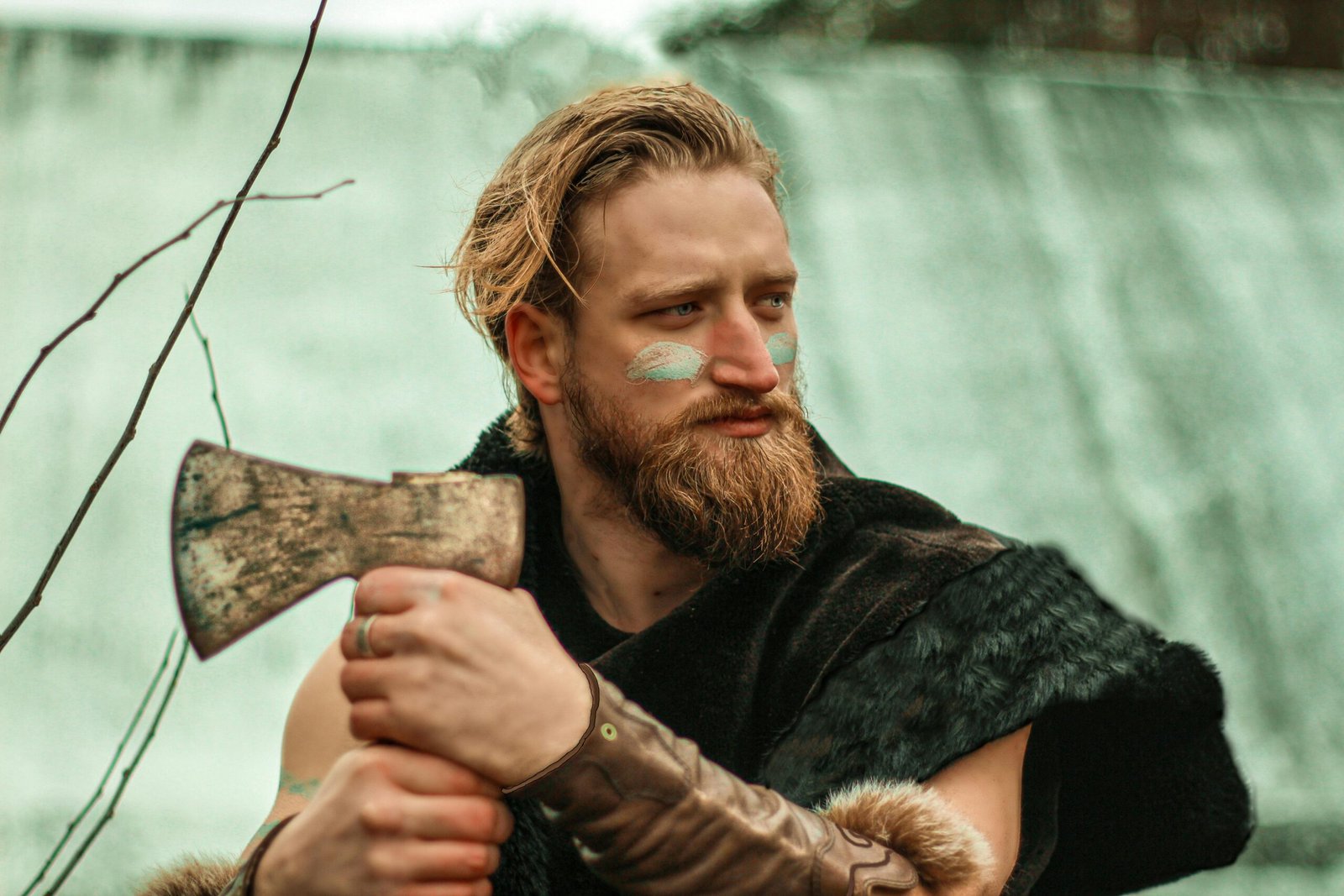
The Vikings have long captured the imagination of historians, travelers, and enthusiasts fascinated by their extraordinary adventures and powerful cultural legacy. When people speak of “My Viking Journey,” they often refer to a personal exploration of Viking history, mythology, and the remarkable achievements of the Norse seafarers who once dominated vast regions of Europe and beyond.
The Viking Age, which lasted roughly from the late eighth century to the early eleventh century, was a period defined by exploration, trade, and cultural exchange. Viking ships sailed across oceans and rivers, reaching lands as distant as North America, the Middle East, and parts of Asia. Their journeys reshaped the medieval world and left lasting influences on language, culture, and history.
A modern Viking journey is not only about studying historical events but also about understanding the spirit of curiosity, courage, and adventure that defined the Norse people. Through historical research, travel experiences, and cultural exploration, individuals today can reconnect with the fascinating legacy of the Viking civilization.
Understanding the Viking Age
To begin any Viking journey, it is essential to understand the historical period in which the Vikings lived. The Viking Age began in 793 CE, a date often associated with the raid on the monastery at Lindisfarne. This event shocked medieval Europe and marked the beginning of a new era of Norse exploration and expansion.
The Vikings originated from the Scandinavian regions that are now modern-day Norway, Denmark, and Sweden. From these northern lands, they launched voyages that took them across the Atlantic Ocean, along the rivers of Eastern Europe, and into the Mediterranean world.
Although Vikings are often remembered as fierce warriors, their society was far more complex. They were also skilled traders, shipbuilders, farmers, and storytellers who contributed significantly to the cultural development of medieval Europe.
The Legendary Viking Explorers
One of the most fascinating aspects of my Viking journey involves learning about the legendary explorers who expanded the known world.
Among the most famous was Leif Erikson, who is believed to have sailed to North America around the year 1000. His voyage led to the discovery of a settlement in a place now known as L’Anse aux Meadows.
Another significant figure in Viking exploration was Erik the Red, who established Norse settlements in Greenland after being exiled from Iceland.
These explorers demonstrated remarkable navigational skills, using stars, landmarks, and ocean currents to travel across vast distances without modern technology.
The Importance of Viking Ships
No Viking journey would be complete without understanding the ships that made their exploration possible. Viking longships were engineering masterpieces that allowed Norse sailors to travel across oceans as well as navigate shallow rivers.
These ships were lightweight yet durable, with symmetrical designs that allowed them to move quickly in either direction. The longships were powered by both sails and rows of oars, making them versatile vessels for exploration and trade.
The design of Viking ships enabled their crews to travel farther than many other civilizations of the time. Their voyages reached not only Western Europe but also regions of Russia, the Middle East, and North America.
Viking Culture and Daily Life
Exploring my Viking journey also means understanding the daily lives of the people who lived during the Viking Age.
Viking society was organized into different social classes, including kings, warriors, farmers, and craftsmen. Communities were built around farming, fishing, and trade, and families played an important role in maintaining social stability.
Despite their reputation as warriors, Vikings valued craftsmanship and storytelling. They produced intricate jewelry, carved wooden art, and beautifully decorated weapons. Norse poetry and sagas were also central to their culture, preserving stories of heroes, gods, and historical events.
These traditions helped shape the identity of Viking communities and preserved their legacy for future generations.
Norse Mythology and Beliefs
Another fascinating part of my Viking journey is exploring Norse mythology. The Vikings believed in a complex system of gods, spirits, and mythical creatures.
Among the most well-known Norse gods is Odin, who was considered the ruler of the gods and a seeker of knowledge. Another powerful figure is Thor, known for wielding the legendary hammer Mjölnir and protecting humanity from giants and other threats.
These myths were not just stories but were deeply connected to Viking beliefs about the universe, fate, and the afterlife.
The Viking Legacy in Modern Culture
Today, the influence of Viking history can be seen in many areas of modern culture. Archaeological discoveries continue to reveal new insights into Viking life, while museums and historical sites across Europe preserve their artifacts and stories.
Modern literature, television, and films have also drawn inspiration from Viking legends. These portrayals have introduced new generations to the epic adventures and dramatic narratives of Norse history.
Many people who begin their own Viking journey do so through historical research, travel to Viking heritage sites, or participation in cultural festivals celebrating Scandinavian traditions.
Experiencing a Modern Viking Journey
For individuals interested in exploring Viking history firsthand, there are many opportunities to experience the culture and heritage of the Norse world.
Travelers can visit historical locations in Scandinavia, explore Viking museums, and learn about archaeological discoveries that reveal how Viking communities lived centuries ago.
Participating in historical reenactments, cultural festivals, and educational tours can also provide deeper insights into Viking traditions and craftsmanship.
These experiences allow people to connect with the past while appreciating the enduring legacy of Viking exploration and innovation.
Conclusion
The phrase “My Viking Journey” represents more than a simple interest in ancient history. It symbolizes a personal exploration of the courage, curiosity, and creativity that defined the Viking Age. From legendary explorers like Leif Erikson to the powerful myths of gods like Thor, the Viking legacy continues to inspire curiosity and fascination around the world.
By studying their voyages, culture, and beliefs, we gain a deeper understanding of how the Vikings shaped the medieval world and left a lasting influence on modern society. A true Viking journey is not only about the past—it is about discovering the spirit of adventure and resilience that continues to inspire people today.
FAQ About My Viking Journey
What does “My Viking Journey” mean?
It usually refers to a personal exploration of Viking history, culture, mythology, and the legacy of Norse explorers.
Who were the Vikings?
The Vikings were seafaring people from Scandinavia who lived during the Viking Age and were known for exploration, trade, and cultural influence.
Who was the most famous Viking explorer?
Leif Erikson is widely considered one of the most famous Viking explorers.
What gods did the Vikings believe in?
The Vikings believed in Norse gods such as Odin and Thor.
Why are Vikings still popular today?
Viking history remains popular because of their adventurous voyages, fascinating mythology, and lasting influence on culture and storytelling.