
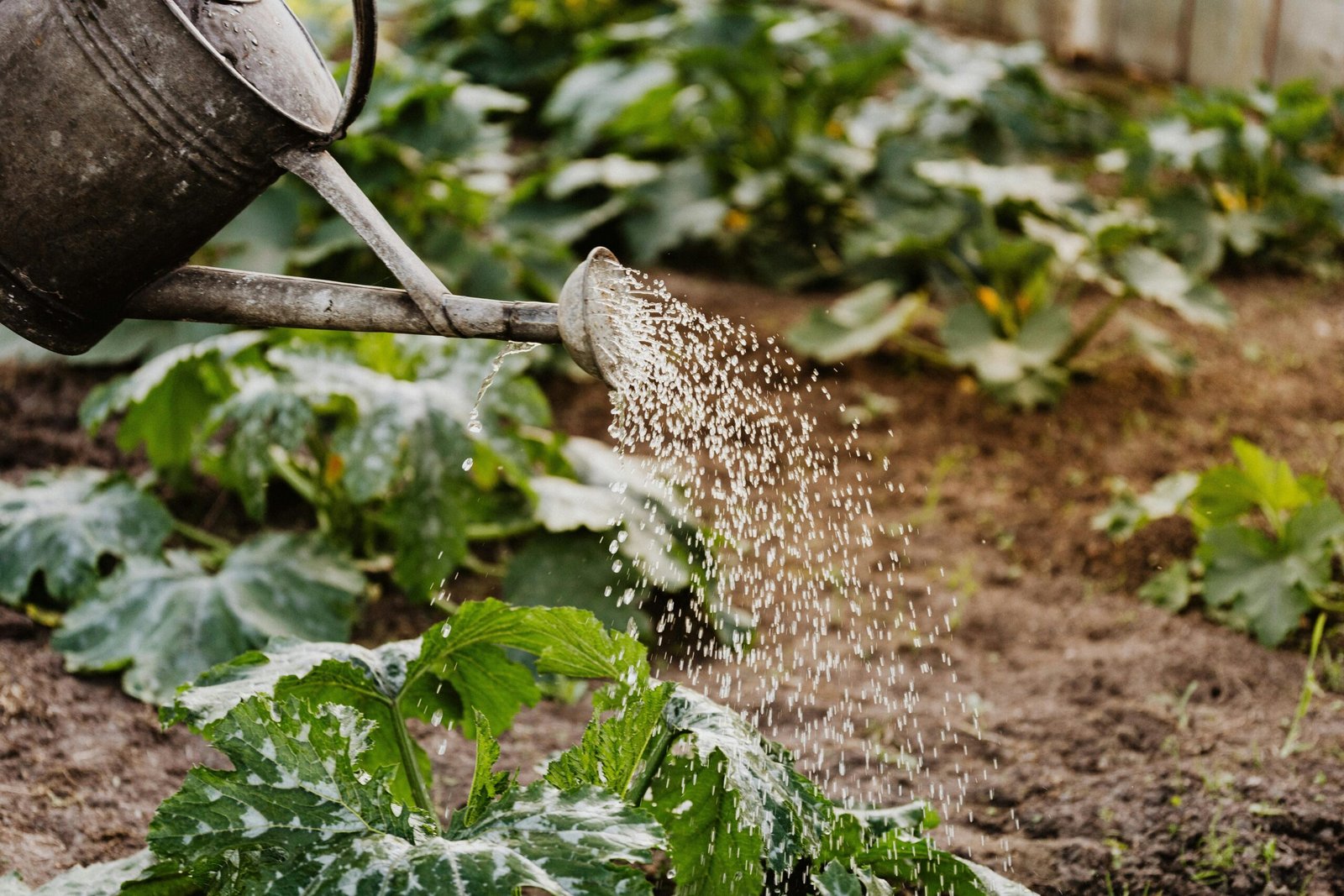
Constructing a raised garden is one of the most efficient and rewarding ways to grow vegetables, herbs, and flowers while maintaining control over soil quality, drainage, and overall plant health. We approach raised garden construction as both a structural and horticultural project, ensuring that every step—from selecting materials to layering soil—contributes to long-term durability and consistent harvests. By elevating the planting area above ground level, we reduce weed intrusion, improve water management, and create an optimized growing environment that can outperform traditional in-ground gardening. This comprehensive guide details the exact methods, materials, and techniques required to build a high-performance raised garden that delivers season after season.
Choosing the Right Location for Constructing a Raised Garden
Location determines productivity. We select a site that receives a minimum of six to eight hours of direct sunlight daily, ensuring optimal photosynthesis and plant growth. The area must offer proper drainage, avoiding low spots where water accumulates after rainfall. We evaluate accessibility carefully, positioning the raised garden close enough to a water source for convenient irrigation while leaving sufficient walking space around all sides for maintenance and harvesting.
A level surface is ideal, but minor slopes can be corrected during construction. If building on grass or soil, we remove existing vegetation and loosen the ground to promote drainage beneath the bed. For patios or hard surfaces, we incorporate a drainage layer to prevent water stagnation.
Selecting Materials for Durable Raised Garden Construction
The durability of a raised garden depends entirely on the materials used. We prioritize rot-resistant and chemical-free materials to ensure both longevity and plant safety. Common and effective options include:
-
Cedar or redwood lumber, naturally resistant to decay and insects
-
Galvanized steel panels for a modern and highly durable structure
-
Concrete blocks or bricks for permanent installations
-
Composite boards for low-maintenance construction
We avoid pressure-treated lumber containing harmful chemicals when growing edible plants. For structural stability, boards should be at least 2 inches thick to resist warping under soil pressure. Galvanized screws or exterior-grade fasteners prevent corrosion over time.
Determining the Ideal Dimensions
When constructing a raised garden bed, dimensions directly influence plant spacing and maintenance efficiency. We recommend:
-
Width: No more than 4 feet across to allow access from both sides without stepping into the soil
-
Length: Adjustable based on space availability, typically between 6 to 12 feet
-
Height: 10 to 18 inches for most vegetables; 24 inches or more for root crops or mobility-friendly access
Higher beds provide better drainage and deeper root development. Taller constructions also reduce back strain, making gardening more comfortable and sustainable.
Step-by-Step Process for Constructing a Raised Garden Bed
1. Frame Assembly
We cut lumber to precise measurements and assemble the rectangular frame on a flat surface. Corners are reinforced with interior posts or brackets to ensure stability. Screws are driven securely into each joint, creating a rigid structure capable of supporting heavy soil loads.
2. Ground Preparation
Once positioned, we clear the base area and remove large roots or stones. To suppress weeds, we lay down a thick layer of cardboard or landscape fabric. This biodegradable barrier prevents grass from invading while allowing water drainage.
3. Installing the Frame
The assembled frame is placed over the prepared ground and checked for level alignment. We adjust soil beneath the corners as needed to ensure structural balance. A level bed ensures uniform watering and prevents soil shifting.
4. Adding a Drainage Layer (Optional)
For heavy clay soil areas, we may incorporate a layer of coarse gravel or small stones at the bottom to improve drainage. In most cases, direct soil layering is sufficient when using quality soil mixes.
Creating the Perfect Soil Mix for Raised Gardens
The success of constructing a raised garden depends largely on soil composition. We use a carefully balanced mixture consisting of:
-
40% high-quality topsoil
-
40% compost (organic and nutrient-rich)
-
20% aeration material such as perlite or coarse sand
This blend ensures excellent drainage, nutrient retention, and root aeration. Compost provides essential microorganisms that support plant health, while aeration components prevent compaction. For vegetable gardening, we incorporate organic fertilizers tailored to specific crop requirements.
Layering technique matters. We lightly moisten each layer during filling to eliminate air pockets and promote settling. Over time, soil naturally compacts, so we top off the bed periodically with fresh compost.
Optimizing Irrigation and Drainage
Raised gardens require consistent moisture management. We install drip irrigation systems or soaker hoses beneath mulch to deliver water directly to plant roots. This method reduces evaporation and prevents leaf diseases associated with overhead watering.
Mulching with straw, shredded leaves, or wood chips helps retain moisture, regulate soil temperature, and suppress weeds. Proper drainage ensures excess water flows freely, preventing root rot and fungal issues.
Strategic Planting Layout for Maximum Productivity
We design planting layouts based on crop compatibility and spacing efficiency. Companion planting enhances growth while reducing pests. For example, pairing tomatoes with basil improves yield and natural pest control. Root vegetables are spaced evenly to allow underground expansion, while leafy greens can be planted densely for continuous harvest.
Succession planting further maximizes output. As one crop finishes, another replaces it immediately, ensuring year-round productivity. Vertical supports such as trellises expand growing capacity without increasing bed size.
Maintaining a Raised Garden for Long-Term Success
Constructing a raised garden is only the beginning. Ongoing maintenance preserves soil fertility and structural integrity. We replenish compost each season, rotate crops annually to prevent nutrient depletion, and inspect the frame for wear or shifting.
Seasonal preparation includes clearing debris, testing soil pH, and amending nutrients accordingly. With proper care, a well-constructed raised garden can remain productive for over a decade.
Benefits of Constructing a Raised Garden
Raised gardens provide distinct advantages over traditional ground planting:
-
Improved soil control and customization
-
Enhanced drainage and reduced waterlogging
-
Reduced weed pressure
-
Higher yields in compact spaces
-
Better accessibility and ergonomic comfort
-
Extended growing seasons due to warmer soil
These advantages make raised garden construction an investment that consistently delivers measurable gardening improvements.
Conclusion
Constructing a raised garden transforms the way we cultivate plants by combining structural precision with soil optimization. By carefully selecting materials, designing efficient dimensions, preparing nutrient-rich soil, and implementing strategic planting techniques, we create a controlled environment that promotes vigorous growth and abundant harvests. The elevated design enhances drainage, simplifies maintenance, and supports sustainable gardening practices. With thoughtful planning and disciplined execution, a raised garden becomes a long-lasting foundation for productive and enjoyable gardening year after year.
Frequently Asked Questions
How deep should a raised garden bed be?
For most vegetables, 10 to 18 inches is sufficient. Root crops and deep-rooted plants benefit from 18 to 24 inches of soil depth.
What is the best wood for constructing a raised garden?
Cedar and redwood are preferred due to their natural resistance to decay and insects.
Do raised gardens require special soil?
Yes. A balanced mix of topsoil, compost, and aeration material ensures proper drainage and nutrient availability.
How long does a raised garden bed last?
Depending on materials, a raised garden bed can last between 7 to 15 years or more with proper maintenance.
Can we construct a raised garden on concrete?
Yes. Proper drainage must be ensured, and sufficient soil depth must be provided to support healthy root development.