
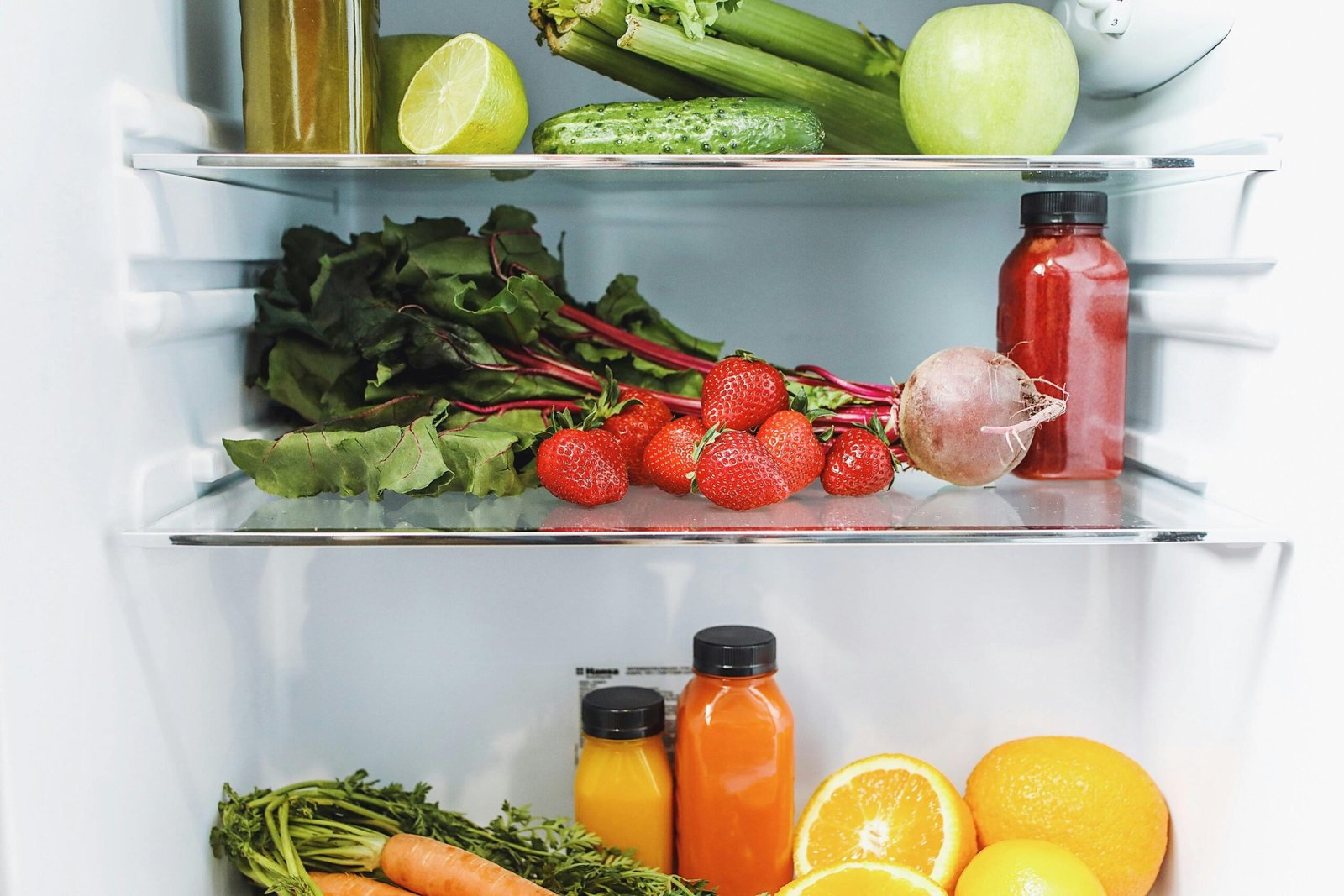
If you have ever opened your refrigerator expecting chilled food only to find frozen vegetables, icy drinks, or solidified dairy products, you have likely asked yourself, “Why is my fridge freezing?” A refrigerator is designed to maintain a controlled temperature just above freezing, typically between 35°F and 38°F (1.6°C to 3.3°C). When the internal environment drops below this range, it disrupts food quality, causes waste, and signals a potential mechanical or airflow issue. Understanding the root causes behind a fridge freezing problem is essential for protecting your groceries, reducing energy consumption, and preventing costly repairs.
In this comprehensive guide, we explore the most common reasons your refrigerator is freezing food, from incorrect thermostat settings and airflow blockages to faulty sensors and defrost system malfunctions. We also provide detailed troubleshooting steps, preventive strategies, and long-term maintenance solutions to ensure optimal refrigerator performance.
Understanding How a Refrigerator Regulates Temperature
To diagnose why your fridge is freezing, we must understand how it works. Refrigerators rely on a thermostat, compressor, evaporator coils, and airflow system to maintain consistent cooling. The thermostat monitors internal temperature and signals the compressor when to cycle on and off. Air circulates through vents from the freezer compartment into the refrigerator section in most modern units. If any part of this system malfunctions, temperatures can drop below the safe range, causing food to freeze unintentionally.
Common Reasons Why Your Fridge Is Freezing Food
1. Incorrect Thermostat Setting
One of the most frequent reasons for a fridge freezing problem is a thermostat set too low. If the dial is accidentally turned toward a colder setting, the compressor will run longer, lowering the temperature excessively. Adjusting the setting to the recommended range often resolves the issue immediately.
2. Blocked Air Vents
Refrigerators depend on proper airflow to distribute cool air evenly. When food containers block vents, cold air may concentrate in specific areas, particularly near the back wall. This localized cold spot can freeze items while other sections remain at normal temperature.
3. Faulty Temperature Sensor (Thermistor)
A malfunctioning thermistor may send incorrect readings to the control board, causing the compressor to run continuously. If the fridge cannot detect when it has reached the desired temperature, it may overcool.
4. Damaged Door Seals
Worn or cracked door gaskets allow warm air to enter the refrigerator. In response, the compressor works harder and longer to maintain temperature, sometimes resulting in overcooling in certain zones.
5. Defrost System Failure
If the automatic defrost system fails, ice can accumulate around evaporator coils, disrupting airflow. This imbalance may create freezing spots in the fridge compartment.
6. Control Board Malfunction
The electronic control board regulates cooling cycles. If it becomes faulty, it may mismanage compressor activity, leading to continuous cooling and freezing conditions.
Why Does My Refrigerator Freeze Food in the Back?
When food freezes specifically at the back of the fridge, airflow imbalance is often the cause. Cold air typically enters from vents located at the rear of the compartment. Items placed directly in front of these vents receive concentrated cold air, causing freezing even when overall temperature seems normal. Rearranging shelves and maintaining proper spacing allows better air distribution and prevents cold pockets.
Step-by-Step Troubleshooting Guide
Check the Temperature Setting
Ensure the thermostat is set between 35°F and 38°F. Avoid setting it to maximum cold unless temporarily needed.
Inspect Airflow Pathways
Remove items blocking vents and avoid overpacking the refrigerator. Allow at least an inch of space between food containers and internal walls.
Examine Door Seals
Close the door on a sheet of paper. If it slides out easily, the gasket may need replacement.
Clean Condenser Coils
Dust and debris on coils reduce efficiency and may cause erratic cooling behavior. Cleaning coils improves performance stability.
Monitor Temperature with a Thermometer
Use an internal thermometer to verify actual temperature rather than relying solely on dial indicators.
Preventing Your Fridge from Freezing Food
Prevention is key to maintaining consistent refrigerator performance. Regular maintenance ensures long-term efficiency and prevents unexpected temperature fluctuations.
Maintain Proper Food Placement
Keep sensitive items like leafy vegetables away from direct airflow vents.
Avoid Overloading the Fridge
While a moderately stocked fridge retains cold air better than an empty one, overcrowding blocks airflow and creates uneven cooling zones.
Schedule Routine Maintenance
Cleaning coils and checking seals at least twice a year reduces strain on cooling components.
Allow Hot Food to Cool Before Storing
Placing hot dishes directly inside can cause temperature imbalances and extended compressor cycles.
When to Call a Professional Technician
If troubleshooting steps fail and the refrigerator continues freezing everything, professional inspection may be required. Persistent overcooling could indicate a defective thermistor, control board issue, or sealed system malfunction. Prompt repair prevents further damage and avoids unnecessary energy costs.
Energy Efficiency and Cost Implications
A fridge that runs excessively due to freezing problems consumes more electricity. Continuous compressor operation not only increases utility bills but also shortens appliance lifespan. Addressing freezing issues early protects both your groceries and your household budget.
Food Safety Concerns
While freezing does not necessarily make food unsafe, repeated freezing and thawing can affect texture and flavor. Dairy products, leafy vegetables, and certain fruits are particularly vulnerable to quality degradation when exposed to unintended freezing conditions.
Conclusion
If you are wondering, “Why is my fridge freezing?”, the answer usually lies in thermostat settings, airflow obstructions, sensor malfunctions, or component failures. By understanding how your refrigerator regulates temperature and following structured troubleshooting steps, you can quickly restore optimal performance. Regular maintenance, proper food placement, and prompt attention to unusual temperature behavior ensure your refrigerator operates efficiently and consistently. Taking proactive steps today prevents food waste, reduces energy costs, and extends the lifespan of your appliance.
Frequently Asked Questions (FAQ)
1. Why is my fridge freezing food even on a low setting?
A faulty temperature sensor, blocked airflow, or control board issue may cause overcooling despite a low setting.
2. Is it normal for the back of the fridge to freeze items?
No, freezing in the back usually indicates airflow imbalance or food placed too close to vents.
3. Can a broken door seal cause freezing?
Yes, a damaged seal forces the compressor to run longer, which may create cold spots.
4. How do I stop my fridge from freezing vegetables?
Keep vegetables in designated crisper drawers and away from direct airflow vents.
5. When should I replace my refrigerator?
If major components such as the compressor or control board fail repeatedly, replacement may be more cost-effective than repair.