
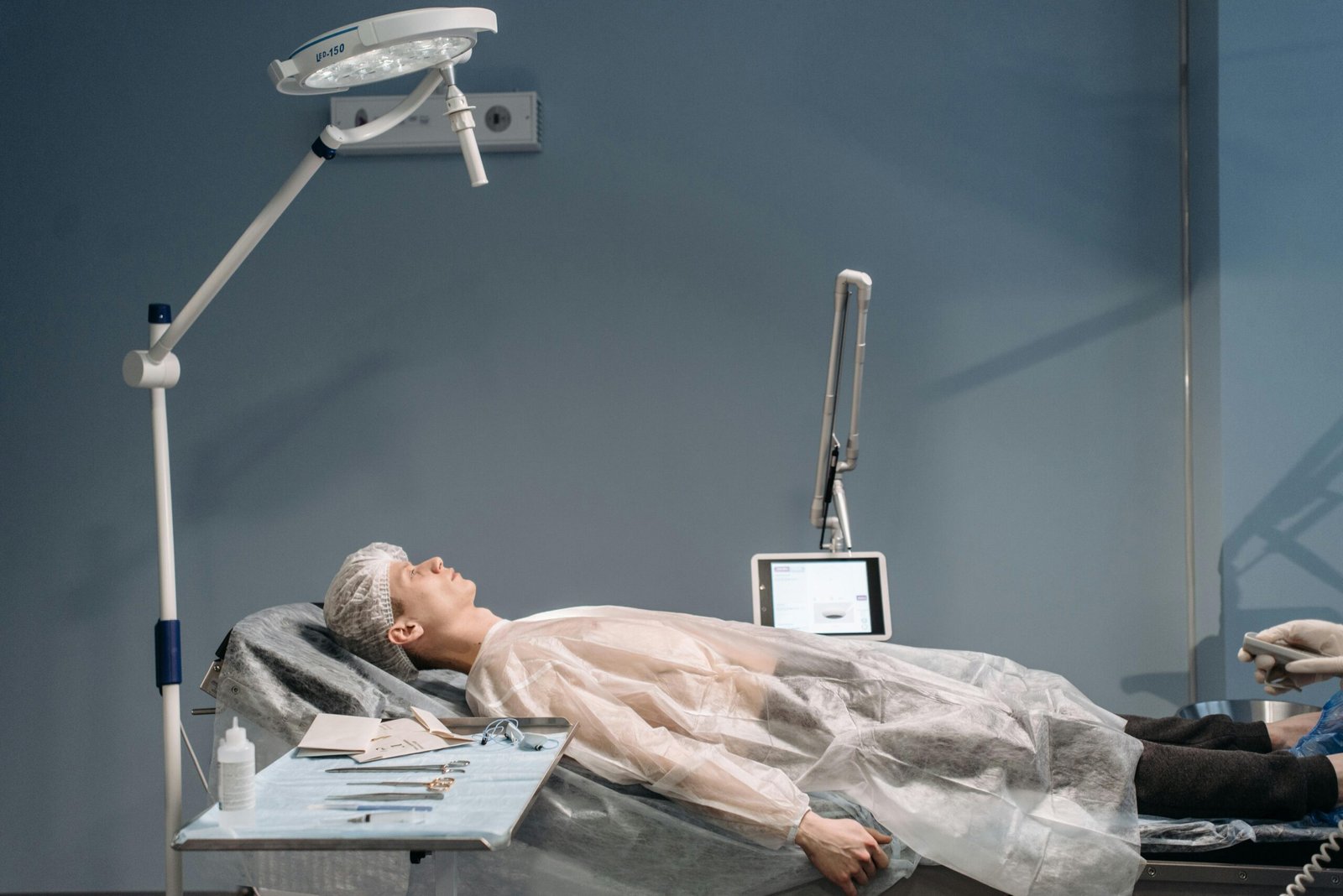
RCPD, or Retrograde Cricopharyngeus Dysfunction, is a medical condition that affects the upper esophageal sphincter, preventing individuals from burping. While it may initially appear minor, RCPD can significantly impact quality of life, causing discomfort, bloating, chest pressure, throat gurgling, and social embarrassment. Increasing awareness of RCPD has led to better recognition, diagnosis, and treatment options. This comprehensive guide explores RCPD symptoms, underlying causes, diagnostic procedures, treatment methods, and long-term prognosis in detail to provide clarity for those seeking answers.
What Is RCPD (Retrograde Cricopharyngeus Dysfunction)?
Retrograde Cricopharyngeus Dysfunction (RCPD) is a functional disorder of the cricopharyngeus muscle, which forms part of the upper esophageal sphincter. Normally, this muscle relaxes to allow air to escape from the stomach in the form of a burp. In individuals with RCPD, the muscle fails to relax in the reverse direction, trapping gas in the digestive tract.
This inability to burp leads to progressive pressure buildup in the chest and abdomen. Although swallowing typically remains normal, the reverse movement of air is impaired, distinguishing RCPD from other esophageal disorders.
Common Symptoms of RCPD
The symptoms of RCPD are often misunderstood or misdiagnosed. The most common signs include:
-
Inability to burp
-
Excessive bloating
-
Chest pressure or discomfort
-
Loud throat gurgling noises
-
Abdominal distension
-
Increased flatulence
-
Nausea after meals
Symptoms often worsen after eating carbonated beverages or gas-producing foods. Many individuals experience relief only when gas passes through the intestines instead of being expelled upward.
Why RCPD Happens: Causes and Mechanism
RCPD occurs due to dysfunction of the cricopharyngeus muscle, which controls the opening of the upper esophageal sphincter. In healthy individuals, this muscle relaxes briefly to release swallowed air. In RCPD, it remains abnormally tight or uncoordinated during attempts to burp.
The exact cause is not fully understood, but possible contributing factors include:
-
Neuromuscular coordination issues
-
Increased sphincter tone
-
Muscle hyperactivity
-
Functional gastrointestinal disorders
Importantly, RCPD is not caused by structural blockage but rather by muscle dysfunction.
How RCPD Is Diagnosed
Diagnosis of RCPD often begins with symptom history. Because the condition has gained recognition only recently, many patients report years of unexplained discomfort before receiving a proper diagnosis.
Diagnostic methods may include:
-
Clinical evaluation by an ENT or gastroenterologist
-
Esophageal manometry to assess muscle pressure
-
Barium swallow studies
-
Endoscopic examination
In many cases, diagnosis is confirmed when treatment produces symptom relief, particularly after targeted muscle therapy.
RCPD Treatment Options
Botox Injection into the Cricopharyngeus Muscle
The most widely recognized treatment for RCPD involves injecting botulinum toxin (Botox) into the cricopharyngeus muscle. This temporarily relaxes the muscle, allowing trapped air to escape naturally.
Many patients experience immediate ability to burp following treatment, along with reduced bloating and pressure. Effects typically last several months, and in some cases, the improvement becomes permanent.
Surgical Intervention
In rare or severe cases, a surgical procedure called cricopharyngeal myotomy may be performed. This involves cutting part of the muscle to permanently reduce tightness. Surgery is generally reserved for cases unresponsive to less invasive treatments.
Speech and Swallow Therapy
Although less common, some individuals may benefit from targeted therapy aimed at improving muscle coordination.
Recovery and Long-Term Outlook
Patients treated with Botox injections often report dramatic improvements in symptoms within days. Mild side effects such as temporary swallowing difficulty may occur but usually resolve quickly.
Long-term outcomes are generally positive. Some patients require repeat injections, while others experience lasting relief after a single treatment.
Living with RCPD
Before diagnosis, many individuals with RCPD adjust their diet and lifestyle to manage symptoms. Common coping strategies include:
-
Avoiding carbonated drinks
-
Eating smaller meals
-
Reducing gas-producing foods
-
Gentle abdominal massage
-
Practicing relaxation techniques
However, definitive treatment often provides more substantial relief than lifestyle modification alone.
RCPD vs. Other Digestive Disorders
RCPD is sometimes confused with:
-
Acid reflux (GERD)
-
Irritable bowel syndrome (IBS)
-
Functional dyspepsia
-
Esophageal motility disorders
Unlike GERD, RCPD does not primarily involve acid irritation. Unlike IBS, it centers on upper esophageal dysfunction rather than intestinal motility.
When to Seek Medical Attention
Individuals should consult a healthcare provider if they experience:
-
Persistent inability to burp
-
Chronic bloating and discomfort
-
Severe chest pressure
-
Difficulty swallowing
-
Worsening gastrointestinal symptoms
Early evaluation improves quality of life and reduces prolonged discomfort.
The Growing Awareness of RCPD
In recent years, awareness of RCPD has expanded significantly, particularly through patient communities and medical research discussions. Increased recognition has led to improved diagnostic clarity and treatment accessibility. As more healthcare providers become familiar with the condition, patients are more likely to receive accurate diagnoses and effective care.
Conclusion
RCPD, or Retrograde Cricopharyngeus Dysfunction, is a functional disorder affecting the upper esophageal sphincter and preventing normal burping. While not life-threatening, it can significantly impact daily comfort and social confidence. Understanding the symptoms, causes, diagnostic process, and treatment options empowers individuals to seek appropriate care. With effective treatments such as Botox injections and, in rare cases, surgery, most patients experience meaningful relief and improved quality of life. Greater awareness continues to enhance recognition and outcomes for those affected by this condition.
Frequently Asked Questions (FAQ)
What does RCPD stand for?
RCPD stands for Retrograde Cricopharyngeus Dysfunction.
Is RCPD dangerous?
RCPD is not typically life-threatening but can cause significant discomfort and reduced quality of life.
Can RCPD go away on its own?
Spontaneous resolution is uncommon; medical treatment often provides the most effective relief.
How effective is Botox for RCPD?
Botox injections are highly effective for many patients and may provide temporary or long-term improvement.
Which doctor treats RCPD?
ENT specialists and gastroenterologists commonly evaluate and treat RCPD.